


Guinness already tastes like coffee and dark chocolate before it ever touches either one. That overlap is what makes it such a natural base for a coffee liqueur, paired here with Jameson Irish whiskey infused with fresh coffee for added proof. The trick is getting the stout’s flavor concentrated enough to hold its own once it’s diluted into the final liqueur, and that’s where cryo-concentration comes in.
Developed by Iain McPherson from Panda&Sons, cryo-concentration works by leaning on a simple property of freezing liquids: water and flavor compounds don’t freeze or thaw out at the same rate. After fully frozen, a block of almost any liquid will begin melting by releasing the richest, most concentrated aromas first, while water and lighter, more diluted flavors stay locked in the ice longer. This means it is possible to stop the process early, preserving in our case concentrated Guinness taste.
While heat would also work and do the same job faster, it would also cook off the delicate malt and roast notes that make Guinness worth using in the first place. Freezing the beer and slowly separating out the most flavorful portion as it thaws gets the concentration without the cost, producing an authentic stout experience that can also be replicated with other beers and even wine.
With freezing being a time consuming process, this will be the first step of the liqueur, though equipment will be minimal.


Cryo-Concentrated Guinness
- 860g Guinness (2 Cans)
- Pour the Guinness into a freezer-safe container and freeze it solid.
- Set a bowl on a scale along with a fine strainer, and zero it out.
- Place the frozen block of Guinness on the strainer and note its starting weight.
- Let it thaw slowly, and stop collecting the concentrated Guinness once about a third of the original weight has melted through, translating to roughly 287g from an 860g starting block. Make sure to account for the weight of the bowl itself when checking your progress on the scale.
While the next ingredient required will be a lot more hands-off, as soon as the Guinness goes into the fridge there is time to begin making it, giving the coffee enough time to infuse into the spirit.
Whiskey Coffee Cold Brew
- 600mL · 20oz Jameson Whiskey
- 65g Freshly Ground Coffee
- Combine the whiskey and freshly ground coffee in a container.
- Let it infuse for 24 hours at room temperature. This also gives the Guinness enough time to freeze fully for the next step.
- Strain through a coffee filter or Chemex.
With both components ready, combining them is the easy part, with the only requirement being adding enough sugar to turn this mixture into a liqueur.
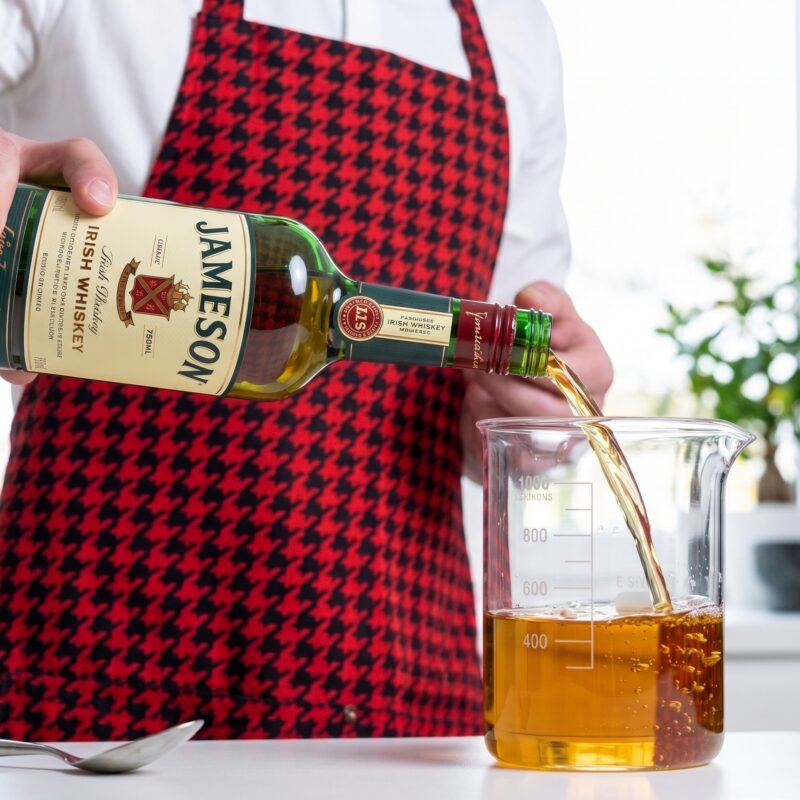
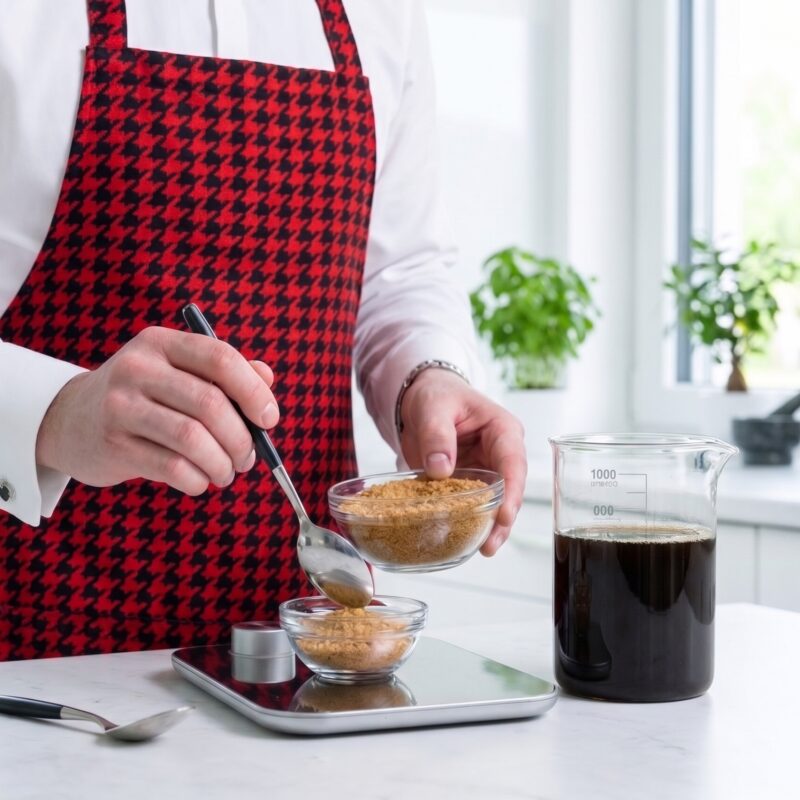
Guinness Coffee Liqueur
- 466mL · 15.5oz Whiskey Coffee Cold Brew
- 280mL · 9.33oz Cryo-Concentrated Guinness
- 112g Sugar
- Combine the whiskey cold brew, cryo-concentrated Guinness, and sugar in a container.
- Stir with a magnetic stirrer, or by hand, until the sugar is fully dissolved.
- Taste before bottling. The result should be smooth and rich, with dark chocolate, roasted coffee, malty stout, and just enough whiskey to give it structure.
- Bottle and label.
This liqueur offers rich, roasted notes that will fit well with any aged spirit. Though to truly test its quality and intensity when cold, a Shakerato will offer a clear overview of the main tasting notes of this malty liqueur. As the drink will be served neat, it is also important to use chilled glassware to keep it fresh for as long as possible.
The Irish-Tini
- 90mL · 3oz Guinness Coffee Liqueur
- 1 dash 20% Saline Solution
- Add the ingredients to a chilled shaker.
- Shake hard with ice.
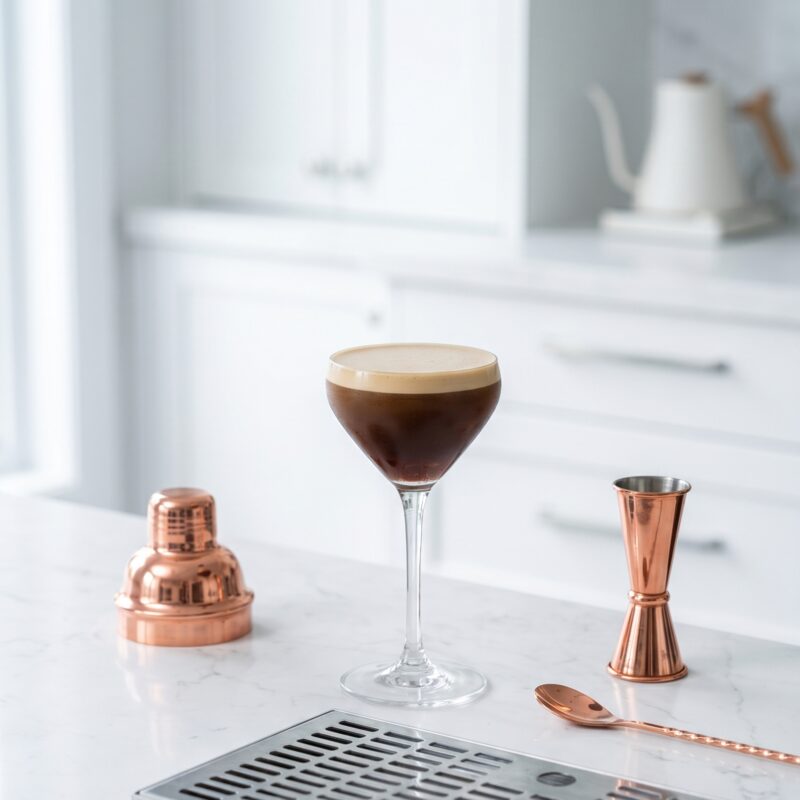
- Double strain into a chilled Nick and Nora or Martini glass.
The shake crowns the drink with a light foam, mostly from the Guinness, and gives it a richer texture and extra brightness on top of everything the liqueur already carries on its own. I recommend using this route for most DIY liqueurs, as temperature will also influence how you and your guests perceive the final product. With this in mind, all that is left is to experiment with more cocktail ideas like Espresso Martinis, Old Fashioneds, and more. Cheers!
Master the craft.
Build real bartending skills through structured, professional courses designed to take you from fundamentals to advanced techniques.