

Good bartending isn’t only about recipes, it’s also about making small decisions to make the work behind the bar easier, giving us time to elevate our guests’ experience instead. This is why I have compiled 20 techniques spanning flavor, ice, tools, and cleanup hacks compiled across 20+ years of experience. Most of them just take a few minutes to apply, but the more techniques you learn, the more the time saved will compound. Let’s get started.
Flavor and Balance
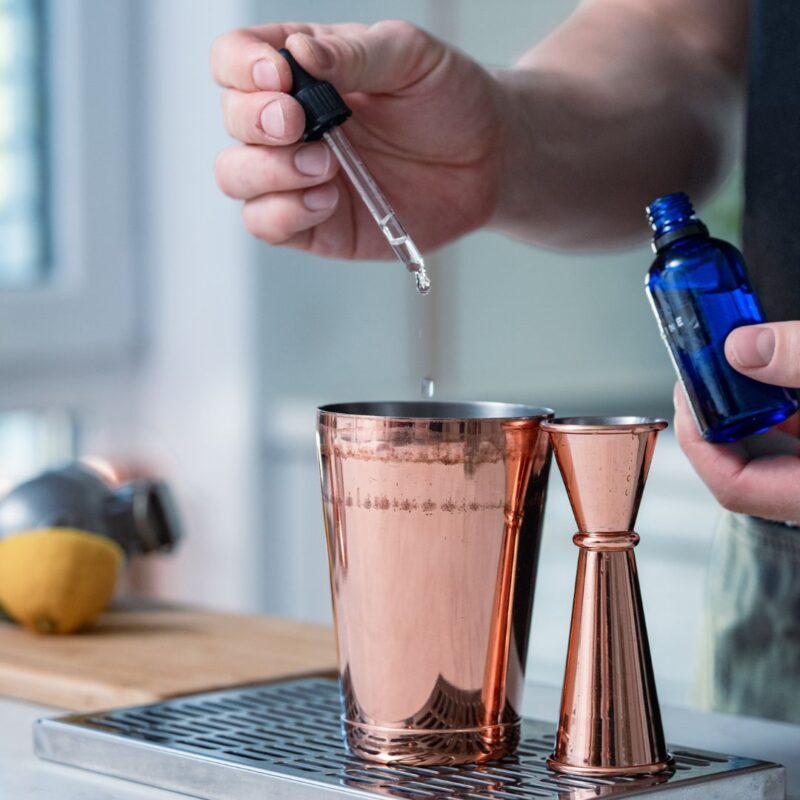
Boost the flavor of your cocktails and mocktails with saline solution. Just like in cooking, salt enhances sweetness and acidity and tones down bitterness, rounding out flavor and making it pop. To make saline, dissolve 20g of salt into 80g of water to make a 20% saline solution, then add a couple of drops to almost any cocktail. But sometimes just saline isn’t enough.
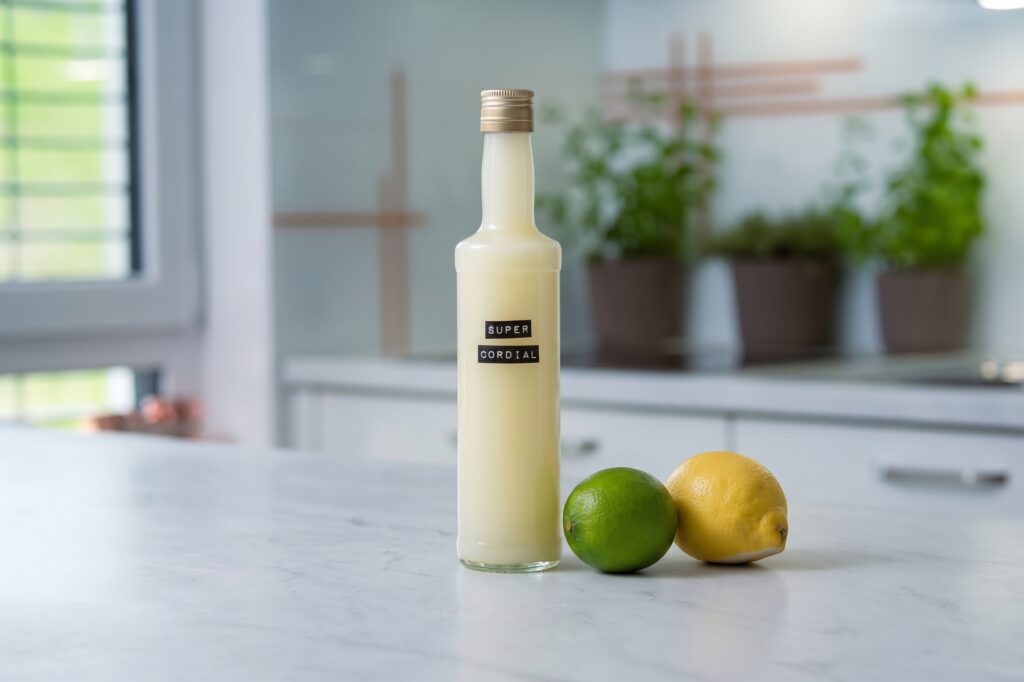
If you’re making an ingredient like a cordial or a shrub, or even a batched cocktail, you can use baking soda if the end result is too tart. This can neutralize some of the acid, adjusting the entire flavor profile without having to add more water, sugar, or other ingredients. Just make sure to have a large container to do this in, as the mixture will bubble and rise when the baking soda gets added.
Color Without Artificial Ingredients
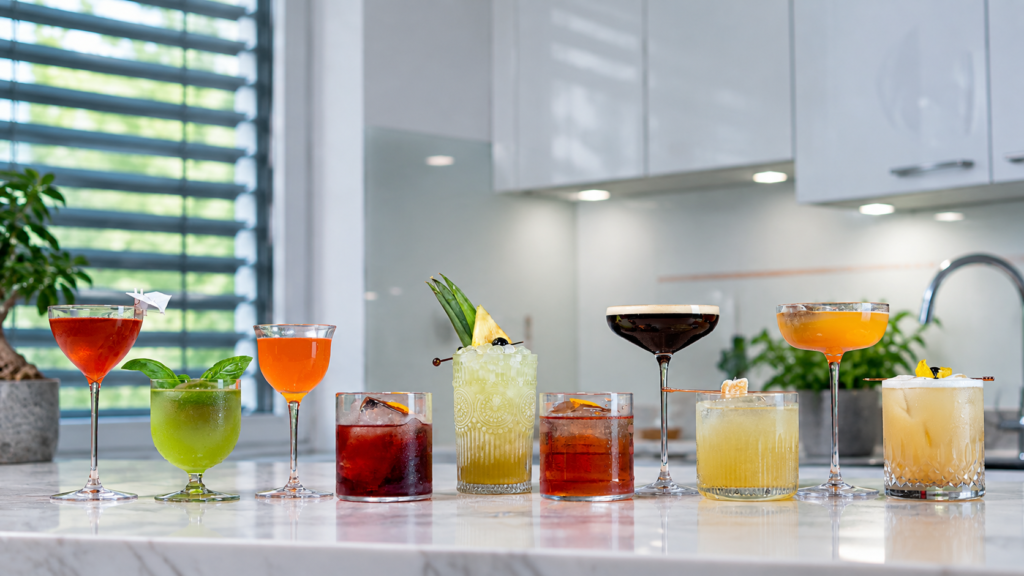
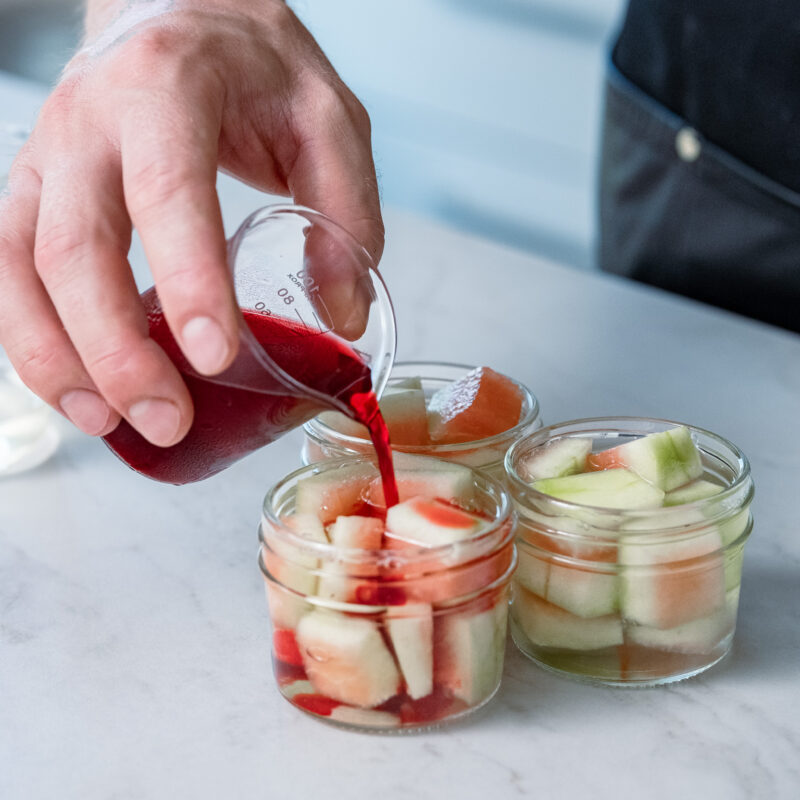
You can color ingredients naturally instead of reaching for artificial dye. Hibiscus or beetroot juice and powder produce red. Turmeric, carrot juice, or saffron produce yellow and orange. Blue and green spirulina both work for each one of those shades, with blue carrying less of spirulina’s typical vegetal taste. Alternatively, matcha powder is another solid green option. All of these work in small quantities too, adding color with barely any change to flavor.
Ice and Temperature
Chill glassware before the cocktail ever touches it. A cold glass keeps a well-chilled drink from warming up, which is especially important for drinks served neat, as well as drinks like egg-white sours where the egg can start to smell if the drink warms up.
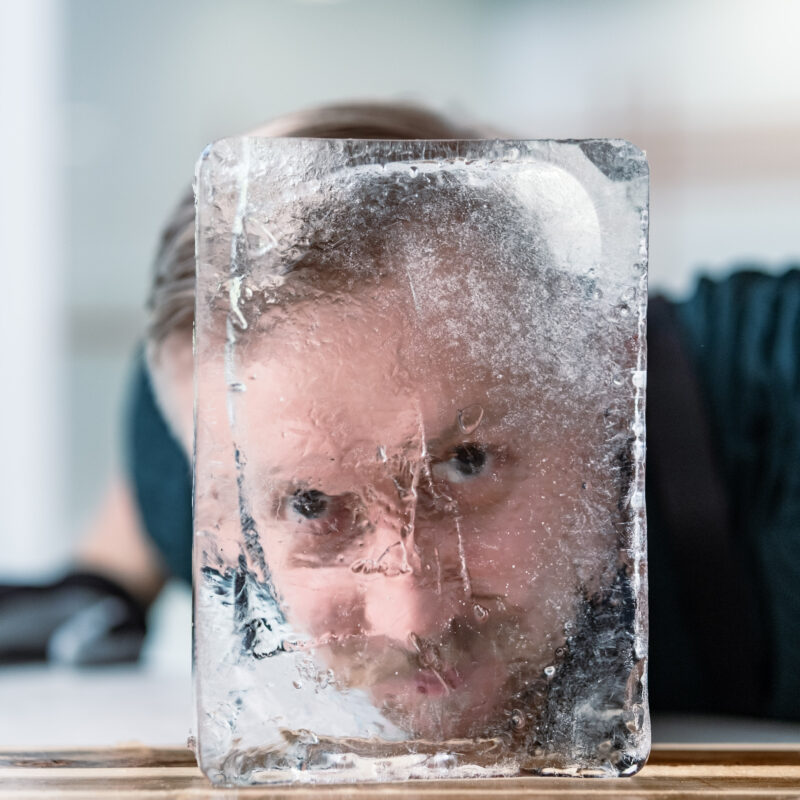
Next, when working with clear ice you can use a torch to temper it faster. Both bar and home freezers keep the ice way colder than your freshly chilled cocktail, meaning that the ice will crack on contact with the drink. Waiting for the ice to temper naturally works of course, but a quick, even torch on all sides speeds it up considerably. Keep the flame moving and brief, since over-torching will also crack the ice, ruining the clear look.
Now, instead of buying premium ice, you can also make clear ice at home without specialty equipment. A simple insulated cooler works as a directional-freezing chamber, but you can also build one by insulating a plastic container with bubble wrap and styrofoam. This last approach is great as you can adjust the size of the container to your freezer.
Precision and Efficiency
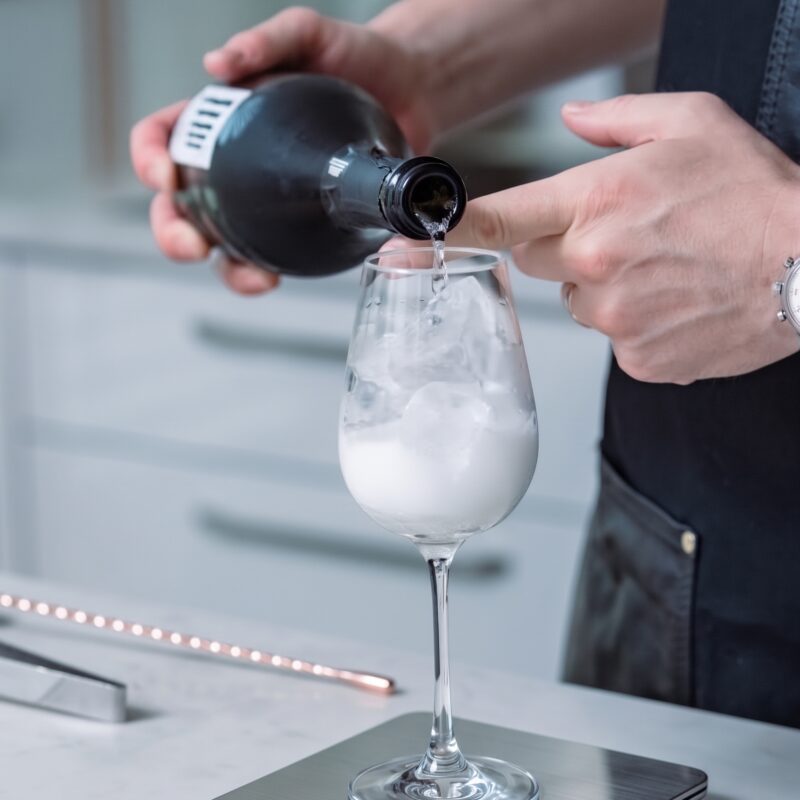
Measure carbonated ingredients with a scale, never a jigger. Bubbles make volume measurements inconsistent, and pouring through a jigger knocks out a lot of the carbonation too. Your next Aperol Spritz will thank you, and once you have a visual feel for the amounts, you’ll be able to build many cocktails with the same level of quality faster.
For maximum consistency, you can also go with my favorite technique: batching. A batch or punch bowl means fewer individual pours, which means fewer chances to over- or under-pour, and it frees up time to spend with guests instead of behind the bar all night.
Useful Bar Tools
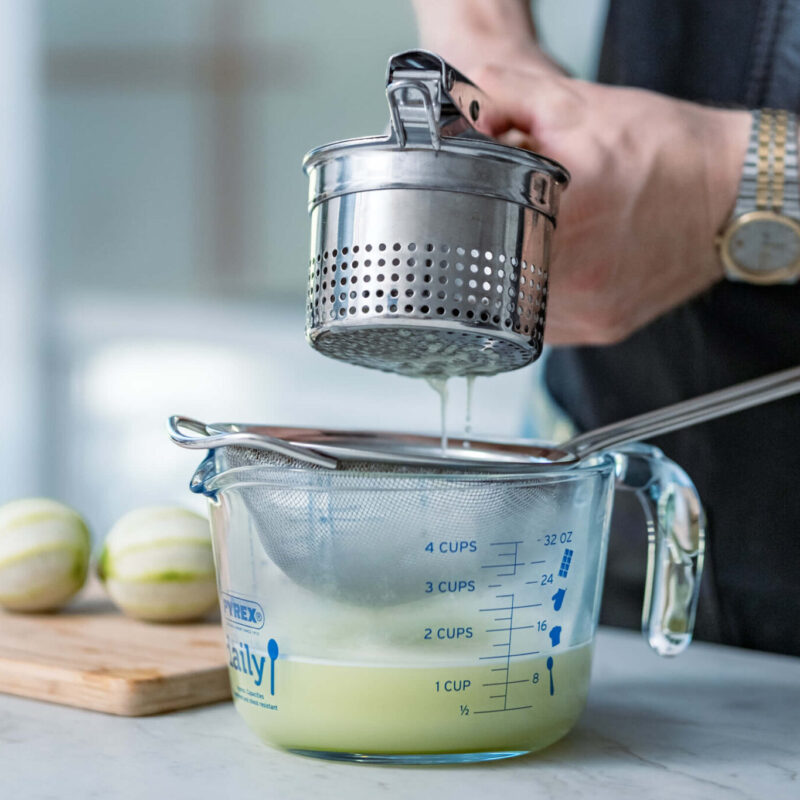
Use a juicer instead of an infusion for maximum flavor and color. Ingredients like pineapple, melon, and ginger give up more flavor and a brighter color through juicing than through steeping. And if you want to concentrate these flavors even more, you can also freeze and partially thaw out the juice – a technique known as cryo- or freeze-concentration. Yield is important too, and you can use a potato ricer to maximize it. Just press ingredients or filters through it to get those last few stubborn drops of juice out.
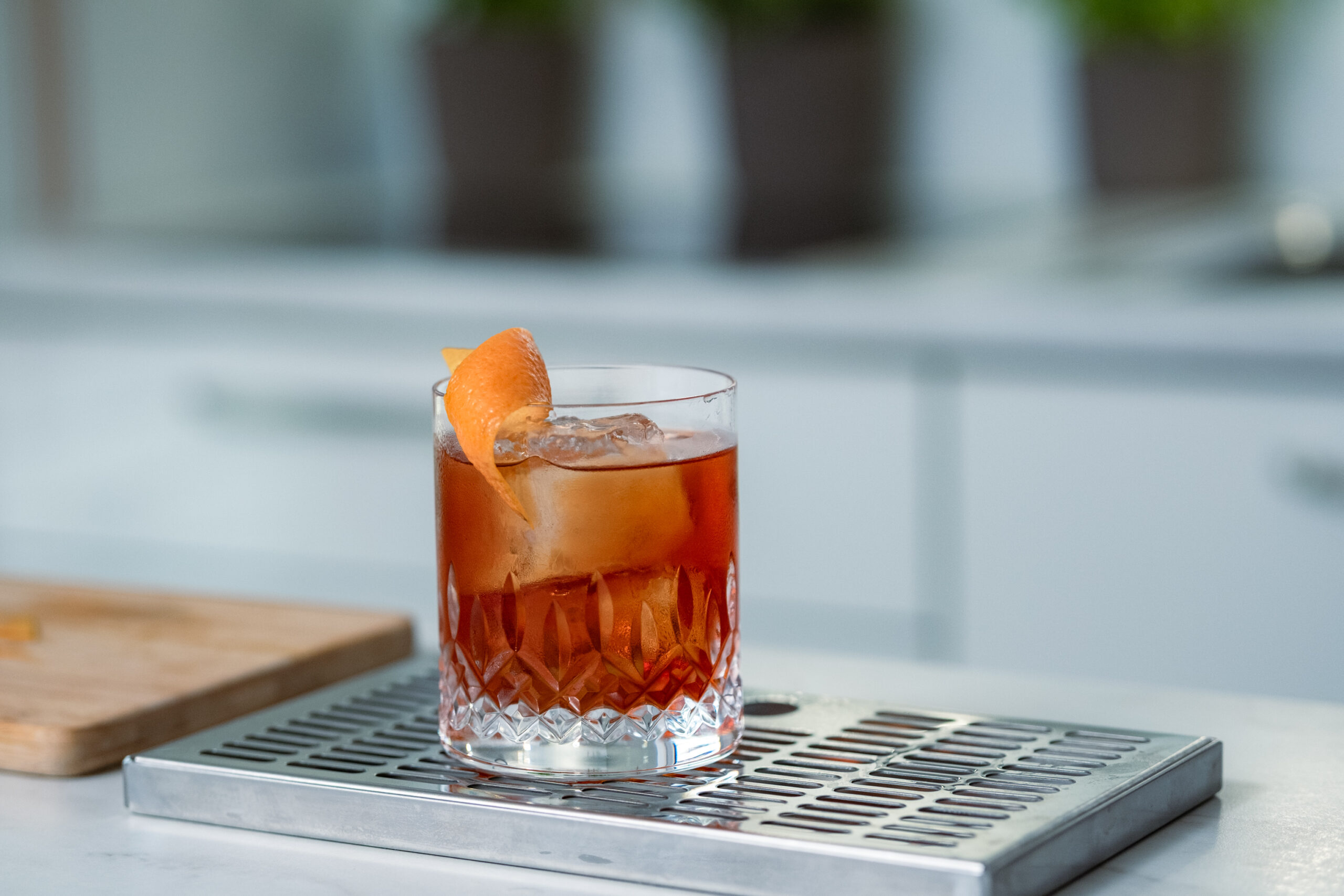
When it comes to safety, use a cheese slicer to peel citrus. Cheese slicers, built as a single guarded piece of metal, are considerably safer than a standard peeler and tend to produce wide, evenly curled peels. This is a technique bartender Jeffrey Morgenthaler picked up from fellow bartender Jared Miller.
Finally, use a double-spout espresso portafilter to split-pour two cocktails at once. It’s largely a presentation flourish, but a striking one for a cocktail like a Revolver.
Working With Egg Whites
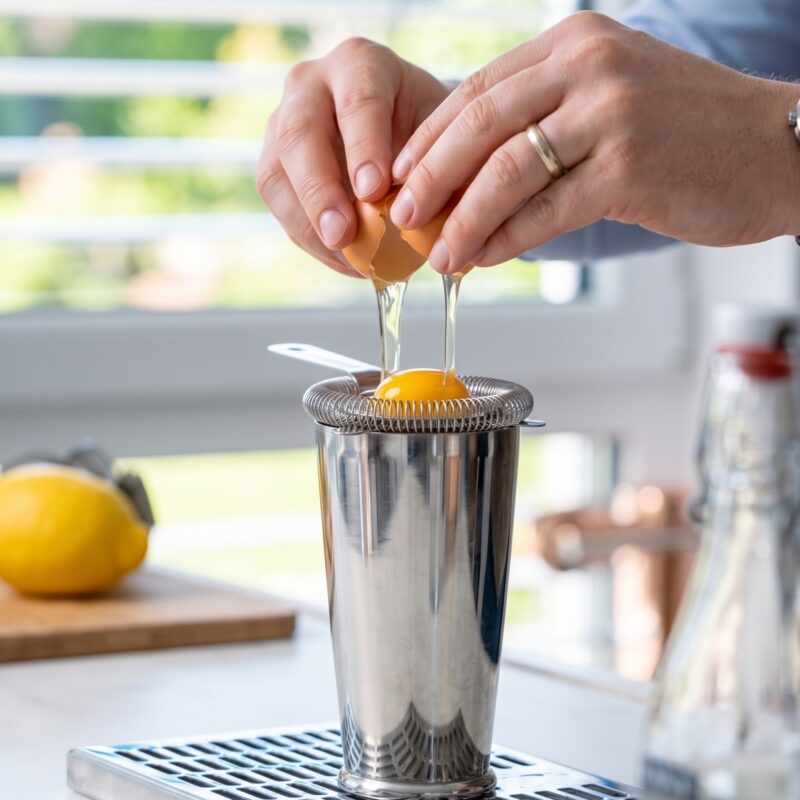
Use an upside-down Hawthorne strainer to separate egg whites from yolks. This is a more reliable method than trying to pass the yolk between shell halves, and it frees up your hands to keep working on other drinks.
Also, break apart the egg white before measuring it. The proteins that hold the white together also make it hard to portion accurately. Breaking them up first, with a fork or a milk frother, makes the white pourable and easy to measure like any other liquid ingredient.
Using a milk frother is also a great way to replace the dry shake. This way you still emulsify the egg and aerate the drink without the risk of a shaker seal failing under pressure, which a dry shake always carries. Afterwards just add ice and shake as normal.
Bottle Maintenance
While hot water and soap, rubbing alcohol, or a razor blade can all work on stubborn labels, a 1:1 or 2:1 mix of baking soda and cooking oil handles the residue other methods leave behind. Rub it onto the glue, let it sit for 10 to 20 minutes, then scrub and wash with hot water and dish soap.
As for the inside of the bottles, you can use a small chain or a handful of pebbles and some water to get perfect results without special equipment. Dry them thoroughly afterward so they’re ready for next time, and as long as you don’t have hard water in your taps, you should have spot free bottles. This is something that’s especially useful to know if you use a sous vide.
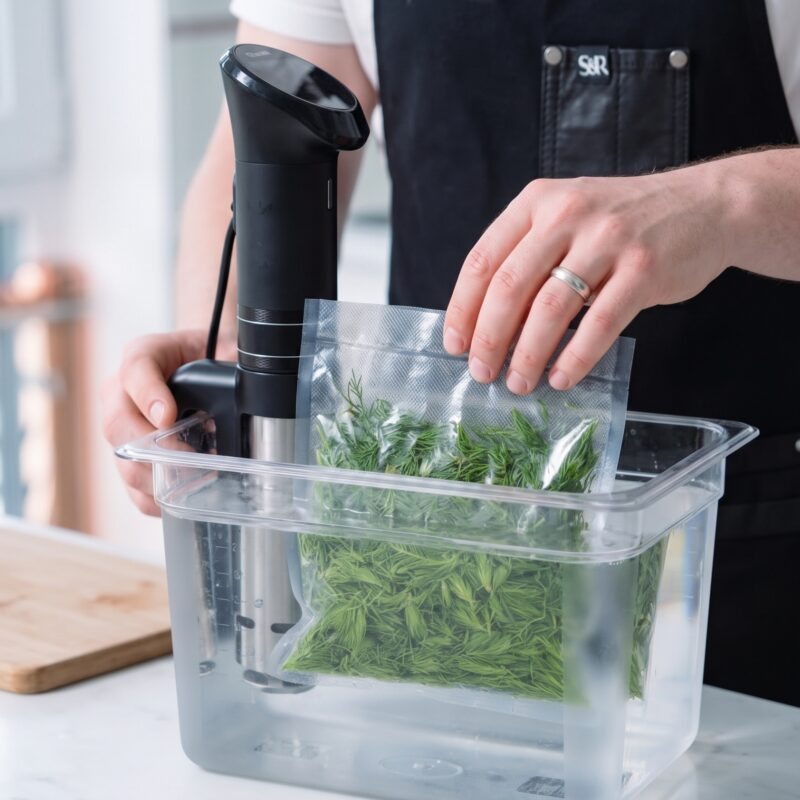
Hard water leaves mineral deposits, mostly calcium carbonate, on heating elements over time. This can make your sous vide less effective, so prevent it by adding vinegar to a sous vide bath to prevent limescale. Calcium carbonate doesn’t dissolve in water on its own, but the acetic acid in vinegar breaks it down, keeping a sous vide cooker clear of buildup.
Most of these techniques take a single try to stick. The ones worth keeping are the ones that solve a real, repeated annoyance, whether that’s a cracked ice cube, a stubborn label, or a dry shake gone wrong.
Master the craft.
Build real bartending skills through structured, professional courses designed to take you from fundamentals to advanced techniques.