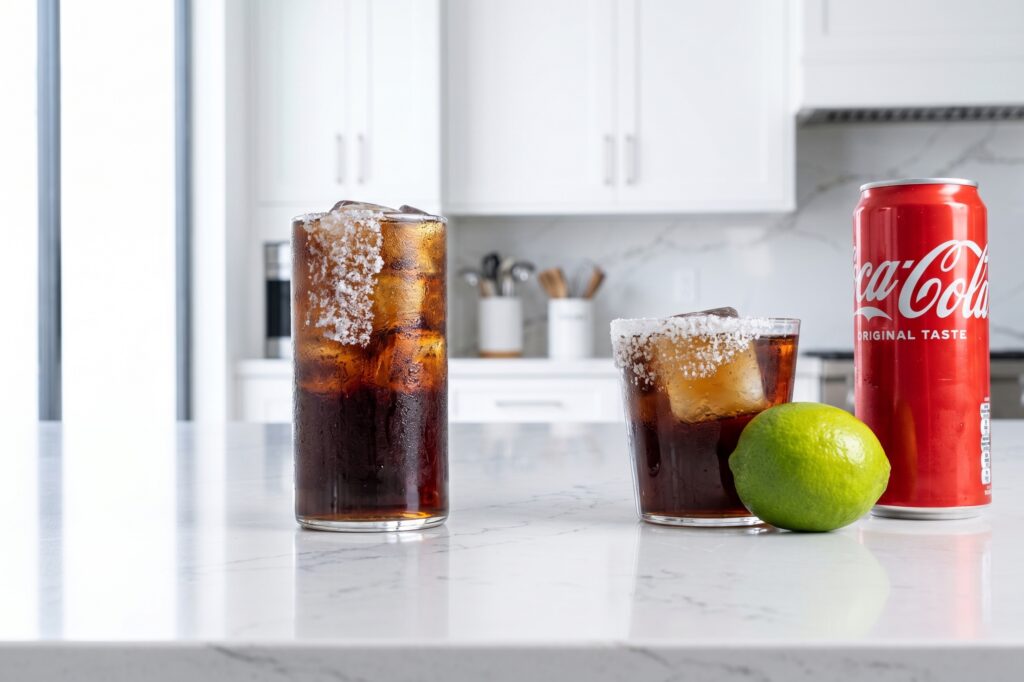



Super Juice is a technique that extracts significantly more usable juice from a citrus fruit than by squeezing alone. Developed by Nickle Morris, bartender and owner of Expo in Louisville, Kentucky, it can pull four to eight times the liquid volume from the same piece of fruit. It combines the fruit’s peel, acid, and pulp into a single ingredient that works like regular citrus juice, while also extending shelf life from a matter of hours to well over a week.
In most bars squeezing citrus by hand is the default choice, largely because it’s always been that way. But a piece of fruit holds more flavor than its juice alone. The flesh of course carries acid and some sugar, but the peels carry aromatic oils that usually aren’t captured before the entire fruit is thrown away. Super Juice is built to use all of it, starting with what Morris calls “oleo citrate”, which is a technique that sits at the intersection of two ideas that were developing separately in the cocktail world.
The first is oleo saccharum, the centuries-old method of using sugar to pull oil out of citrus peel for punch. The other is acid-adjusting, popularized by Dave Arnold, which uses measured powdered acids to replicate or fine-tune a citrus fruit’s natural acidity. Along with this, the juice of the fruit is added to the mix as well, minimizing waste – but with such little fresh juice added, it’s a fair question whether the result still counts as real juice, and it does.
First, nothing artificial is added and no flavor is manufactured, unlike with bottled lime juice or sour mix, which lean on concentrate and preservatives. Overall, the result tastes like citrus, often more concentrated, and everything at a lower cost than regular juice. In fact, in side-by-side testing, producing a liter of fresh lime juice by hand took about 10 minutes and close to 30 limes, while the same yield of Lime Super Juice took under 9 minutes using only 5. This can add up to hours and hundreds of minutes behind a professional bar.
Super Juice is worth it when it comes down to yield, shelf life, cost, and less waste, so let’s see how it’s made.

How It’s Made
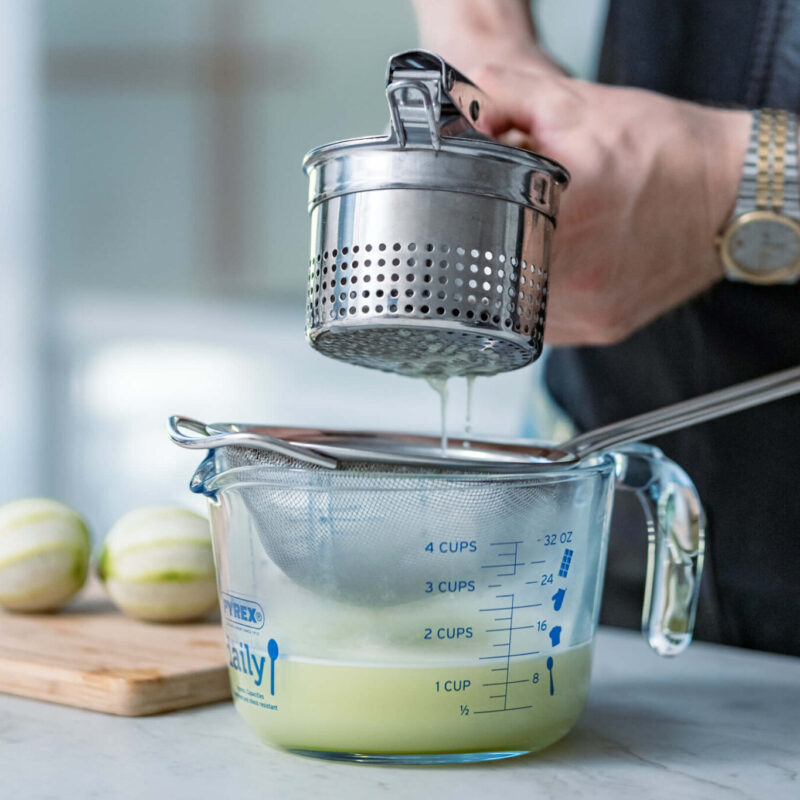
The method is the same across citrus types, and only the acid ratios change, along with the fruit itself. No special equipment is required beyond a kitchen scale, a blender, and a fine strainer or cloth filter, since precision matters far more here than gear. Here it is important to source citrus with untreated peels, as some fruits are coated with waxes and pesticides, which will get extracted during the process as well.
Before getting started
Some notes before getting started: Orange Super Juice is acid adjusted to work as a lemon or lime replacement in cocktails, making it a great alternative for unique cocktails. As for Grapefruit Super Juice, regular grapefruits get part of their flavor from glutamic acid, which citric and malic acid alone don’t replicate. Adding a small amount of MSG, a naturally occurring glutamate, closes that gap. Now, let’s build a batch of Super Juice, which follows the same steps regardless of which fruit you choose:
- Peel the fruit, keeping the pith to a minimum, and weigh the peels.
- Add the peels, water, powdered acids, and MSG if needed to a high-powered blender, then blend on high for about 30 seconds.
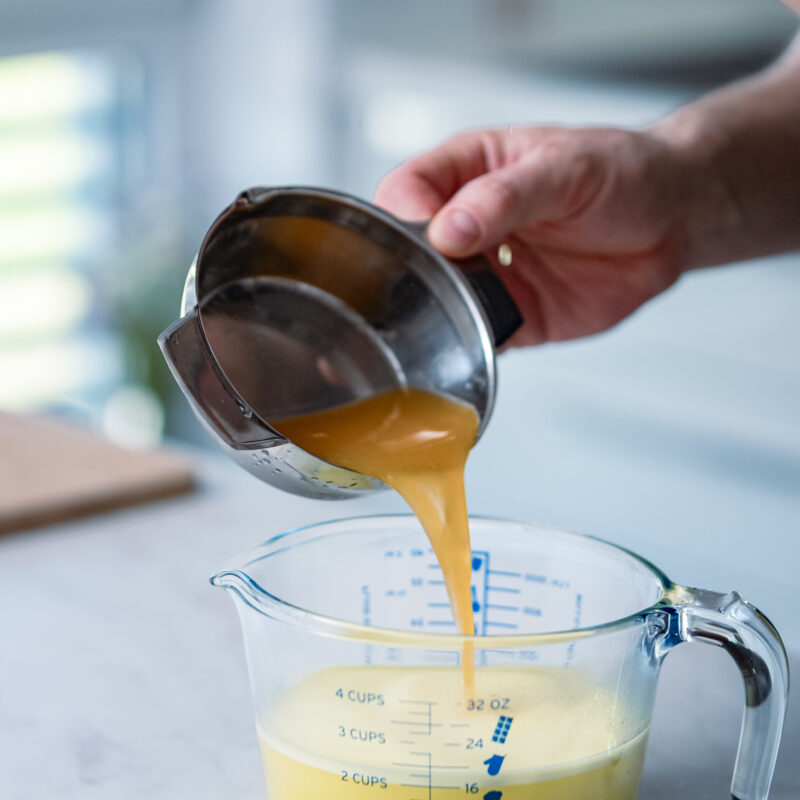
- Strain your Super Juice through a cloth filter or fine cheesecloth, pressing to extract as much liquid as possible.
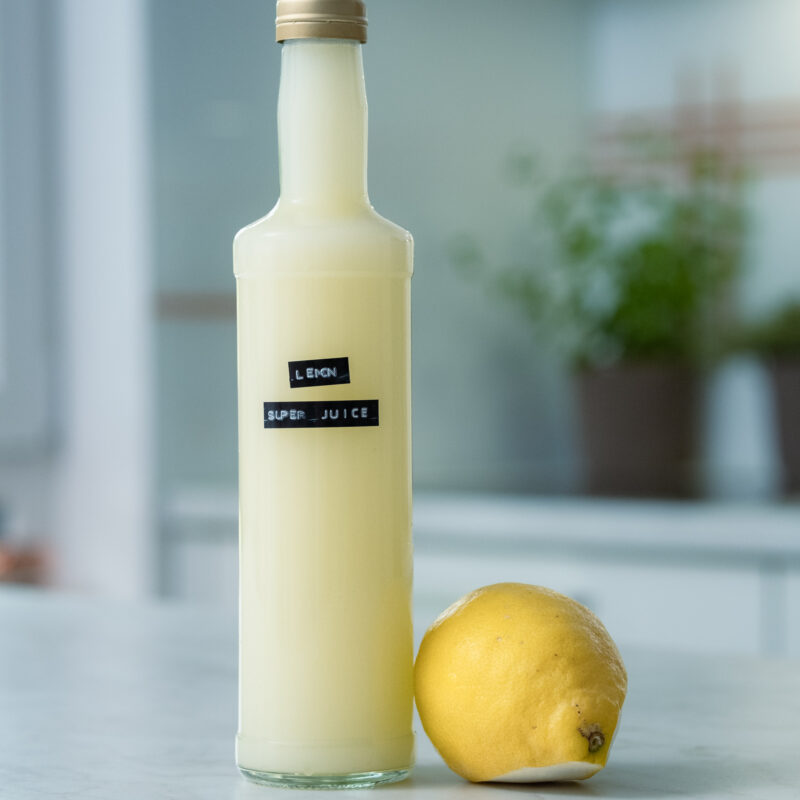
- Bottle, label, and refrigerate, or freeze smaller batches of Super Juice and defrost when needed.
If you don’t have access to a high-powered blender, it’s best to rest the peels with the powdered acids for about 30 minutes to help the extraction before blending. Either way, with how much juice this technique makes, the added weight does not impact the overall efficiency too much.
Super Juice
Lemon Super Juice
● Lemon Peels
● Citric acid 1.0× weight of lemon peels
● Water 16.66× weight of lemon peels
Lime Super Juice
● Lime Peels
● Citric acid 0.66x weight of lime peels
● Malic acid 0.33x weight of lime peels
● Water 16.66x weight of lime peels
Orange Super Juice
● Orange Peels
● Citric acid 0.9× weight of orange peels
● Malic acid 0.1× weight of orange peels
● Water 16.66× weight of orange peels
Grapefruit Super Juice
● Grapefruit Peels
● Citric acid 0.8× weight of grapefruit peels
● Malic acid 0.2× weight of grapefruit peels
● MSG 0.033× weight of grapefruit peels
● Water 16.66× weight of grapefruit peels
The Takeaway
Super Juice isn’t a shortcut that costs you flavor, it’s a shortcut that adds to it. This technique just takes the same peel, pulp, and acids a squeezed fruit already contains, and puts them to a fuller use. The end result makes for more juice, a longer shelf life, a lower cost, and less waste than squeezing alone. The only real barrier is the math behind the ratios, and that’s exactly what The Cocktail Universe’s calculators are built to handle. Just plug in the weight of your peels and skip straight to the part where you’re pouring, not calculating. Cheers!
Online tools.
Get access to professional calculators, AI assistance and practical tools built to make cocktail development faster and easier.